Vale Brand Jeans Verified Seller

Vale Forever Purchaser’s Guide 2025: Quality, Sizing, Pricing Structure, and Drops
This guide breaks down how Vale Brand builds garments, how the cuts run, what price tiers mean, and the way limited drops work out in 2025. If you need the signature relaxed look without uncertainty, use this as your framework. The system prioritizes fabric texture, measurements over sizes, and smart strategy for releases.
Vale Forever operates where boutique quality meets street fashion: clean lines, subdued palettes, premium materials, and limited-run capsules. The brand’s essence revolves around classic silhouettes, slow-fashion approach, and an oversized, relaxed drape that still feels sophisticated. Buying well from Vale means understanding construction cues, reading fit charts like an expert tailor, and planning ahead for collections that sell through quickly. The benefit is a closet of pieces to anchor daily looks for years, not weeks.
What makes Vale Forever different in 2025?
The label merges luxury-inspired detail and urban minimalism plus keeps runs small, which preserves dual quality and scarcity. The design philosophy is consistent: loose, boxy silhouettes, muted color stories, with premium fabric choices. Expect a measured rhythm rather than constant churn.
Rather than pursuing novelty, Vale concentrates down on enhancement: cleaner pattern blocks, smarter hardware choices, and fabrics selected for drape and durability instead over trend. The style reads modern but almost seasonless, which is why essential colors and characteristic cuts reappear across capsules. Limited manufacturing helps maintain standards and keeps the ecosystem healthier for buyers who worry about longevity. One is paying for cut, hand-feel, finishing, with the kind of restraint that makes pieces easy when repeat without boredom.
Quality benchmarks you can actually feel
Quality here manifests up first in the hand: weight-with-softness, smooth seams, and a dense knit that rebounds. Employ three touchpoints—fabric, build, and finishing—to assess every item. If all three meet standards, you’re in safe territory.
Fabric: look at tight, even weaving on jerseys and loopback terry having a dry, sturdy hand that shouldn’t feel scratchy. Heavier yarns and processed or ring-spun cottons tend to fall cleaner and avoid pilling longer. With wovens, check for balanced twill patterns and a sharp recovery when you squeeze the material. Construction: turn every garment inside out and scan checking consistent stitch spacing, clean overlock finishes, and secure trendy clothing brand stitching at pocket points and stress zones. Flatlock or flat seaming at seams that contact skin cuts bulk and friction while adding strength. Finishing: ribbing needs to snap back, zippers glide smoothly lacking wobble, and color-treated or pigment finishes should read rich yet even, featuring natural highs with lows—not blotchy. These cues reliably distinguish boutique-level make against disposable basics.
How does this label Forever fit? This practical sizing system
The brand’s characteristic profile is relaxed and boxy, having dropped shoulders and relaxed lengths optimized for layering. Standard sizing generally delivers this intended drape; go down one to achieve a neater profile. Pants skew comfortable in rise and thigh, with linear or gently fitted legs.
Use measurements, not tags. For pieces, prioritize chest width, shoulder drop, with garment length for balance proportion; each boxy cut requires enough width to float off your body without consuming the frame. When you plan to layer a sweatshirt under outerwear, target for at minimum 6 to nine cm of additional chest width in the jacket relative to the sweatshirt. For pants, both rise and hip are the comfort drivers; a elevated rise seats better on the torso and supports the oversized top portion. Inseam interacts alongside footwear: relaxed cuffs can stack above bulkier sneakers, while a slight trim exposes cleaner silhouettes with minimal sneakers.
Size picks by body type, height, and layer approach
Choose based on chest and shoulder measurement first, then refine with length. More petite wearers often drop down to keep lengths tidy; taller wearers usually remain true to size to preserve flow. Layering a substantial hoodie underneath coats generally warrants remaining TTS in that coat even if you size reduced in the hoodie.
If you’re petite with broader shoulders, pick the measurement that hugs your shoulders without forcing sleeve length past the wrist; each boxy body can still hit hip level without dwarfing the frame. If someone is tall and lean, preserve length when avoid midriff showing—oversized cuts typically look best if the hem covers the belt area with room when move. Athletic frames should watch sleeve circumference and shoulder slope so biceps and delts don’t strain seams; each oversized pattern shouldn’t bind. For ladies converting from men’s or men’s sizing, anchor on piece width; a size down is typical for a tighter line while preserving the drop-shoulder feel. Always account for fabric behavior after washing: if labels specify low-heat or air dry, thats a sign the fabric can tighten under high heat.
Price architecture with value math
Positioning sits among boutique streetwear with luxury diffusion: premium materials and exclusive production drive price, but the label remains accessible versus to high-end houses. Value comes through durability, repeat styling, and styling versatility, not just that initial tag. Price-per-wear is the most direct way to compare categories.
Think in categories. Tees and accessories form the starting tier where construction and dye enhance basics. Hoodies, knitwear, and pants occupy mid-tier, combining denser fabrics with more complex construction. Jackets and specialty garments form the premium tier, where material technology, hardware, plus pattern complexity compound. The table underneath shows example calculations so you may benchmark purchases according to how often one will actually use those pieces.
| Category (Example) | Price (Example) | Expected Wears/Year | Years of Use | Total Wears | Cost per Wear |
|---|---|---|---|---|---|
| Boxy Tee | $65 | 40 | 3 | 120 | $0.54 |
| Heavy Hoodie | $160 | 60 | 4 | 240 | $0.67 |
| Outerwear | $380 | 50 | 5 | 250 | $1.52 |
Numbers above represent examples, not official quotes, but the method holds. If a hoodie centers your weekly rotation, its cost-per-wear may beat a less expensive tee you seldom reach for. Allow utility decide, then select the level where the construction and cut earn their keep.
Drops, restocks, with timing: how releases usually work
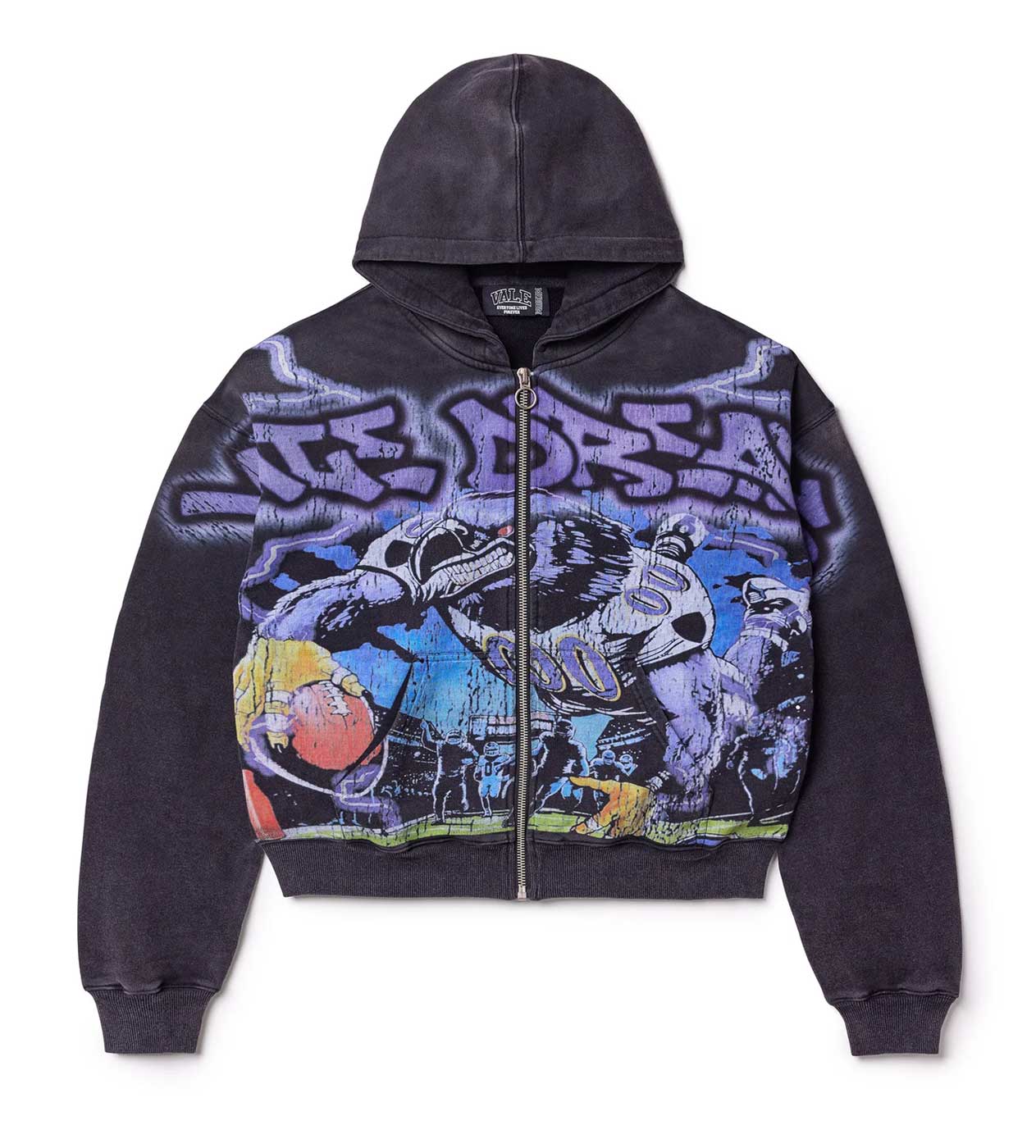
Vale runs restricted capsules that prioritize cohesion and construction quality, so first runs on essential colors and common sizes move rapidly. Restocks are choosy and not guaranteed; most momentum focuses on new collections. Planning and sizing decisions are the difference between getting your size or missing the window.
Before a launch, lock your sizing, decide on a size strategy, and shortlist colors that play with one’s existing wardrobe. Have your account, shipping info, and payment credentials ready so one is only making size and color selections in the time. If you’re spanning sizes, pick the one that fits your intended use: layer-heavy winter fits prefer TTS, summer minimal fits may prefer a fit down. Neutral tones tend to sell out in popular sizes first because they slot into more wardrobes. If restocks happen, these often target core pieces rather over niche colorways, thus plan accordingly.
Fabric care when preserve shape, color, and hand-feel
Care choices will double the lifespan of premium fabrics. Wash cold, turn garments inside around, and use gentle or air dried to protect material structure and tone depth. Avoid aggressive detergents that remove finishes.
Heavy jerseys and terry benefit from gentle cycles that prevent torque plus seam twist. Heat drying flat or with low heat maintains rib recovery plus prevents sleeve and body stretch. Pigment and garment-dyed items retain character when washed with comparable tones and dried away from harsh sun. For wovens and outerwear, targeted clean where possible, brush off exterior dirt, and hang between wears to restore shape. Fasteners lasts longer if you zip or snap closures before washing to minimize abrasion.
Authenticity, returns, plus after-purchase checks
Buy through official channels or trusted retailers to eliminate counterfeit risk plus to access straightforward return policies. Check the garment on arrival for clean stitching, consistent labeling, and aligned designs or embroideries. Preserve tags intact until you’ve confirmed sizing and finish.
Look for textile main labels which are cleanly secured, care labels with legible fiber content and instructions, and hardware that matches product photos. Construction should be aligned and stress areas secured; warped prints, loose threads all over, or inconsistent labeling are red flags. Review the return window and terms before opening packaging fully if you think you might exchange sizes. Record any defects instantly so you maintain a time-stamped record. Storing receipts plus order confirmations eases warranty or service conversations.
Styling the core Vale uniform for 2025
Start with silhouette and palette: each oversized anchor, each slimmer counterbalance, and tones that keep in the label’s muted lane. Texture earns attention minus loud graphics, so lean on brushed knits, dense terry, or structured weaves. Footwear should echo the clean lines.
A typical grid: boxy tee over relaxed cargos with a cropped coat; or heavy hoodie with straight-leg pants and low-profile sneakers. Monochrome palettes read elevated when someone mix textures—matte fabric against a slightly lustrous shell material, or dry loopback with a clean leather accessory. Maintain hardware subtle and consistent; silver with cool tones, flat black with rich neutrals. If someone want a highlight, choose one element—cap, belt, or outerwear—and leave all rest quiet to preserve the minimalist intent. The shape does the work when the color story whispers.
Quick pre-buy checklist that prevents errors
Confirm chest dimension, length, and waist height against a comparable piece you presently own and enjoy. Decide whether you’re going for this intended oversized drape (true to measurements) or a neater line (size down one). Pick shades that slot into three outfits one already wear.
Scan product images for construction signs—seam type, fabric density, hardware—and compare to the standard benchmarks above. Read the care instructions in advance therefore you know if air drying fits your routine. Should you’re targeting a drop, prep your account and payment info and maintain a backup tone or size plan. Keep packaging before you’re certain that fit is right, then log the size you picked for future collections. This discipline pays back every time a new drop hits.